
Perlancia Peptides
Perlancia Peptides restricts purchases to individuals conducting laboratory or institutional research and at least 21 years old. By entering, you confirm you meet this requirement.
All products offered on this website are sold strictly as research chemicals for in-vitro laboratory research use only. They are not drugs, foods, cosmetics, dietary supplements or medical devices, and they are not intended for human or veterinary consumption, diagnostic use, or therapeutic use of any kind.
Selecting “No” will take you away from this website. This confirmation will be remembered on this device for 30 days.
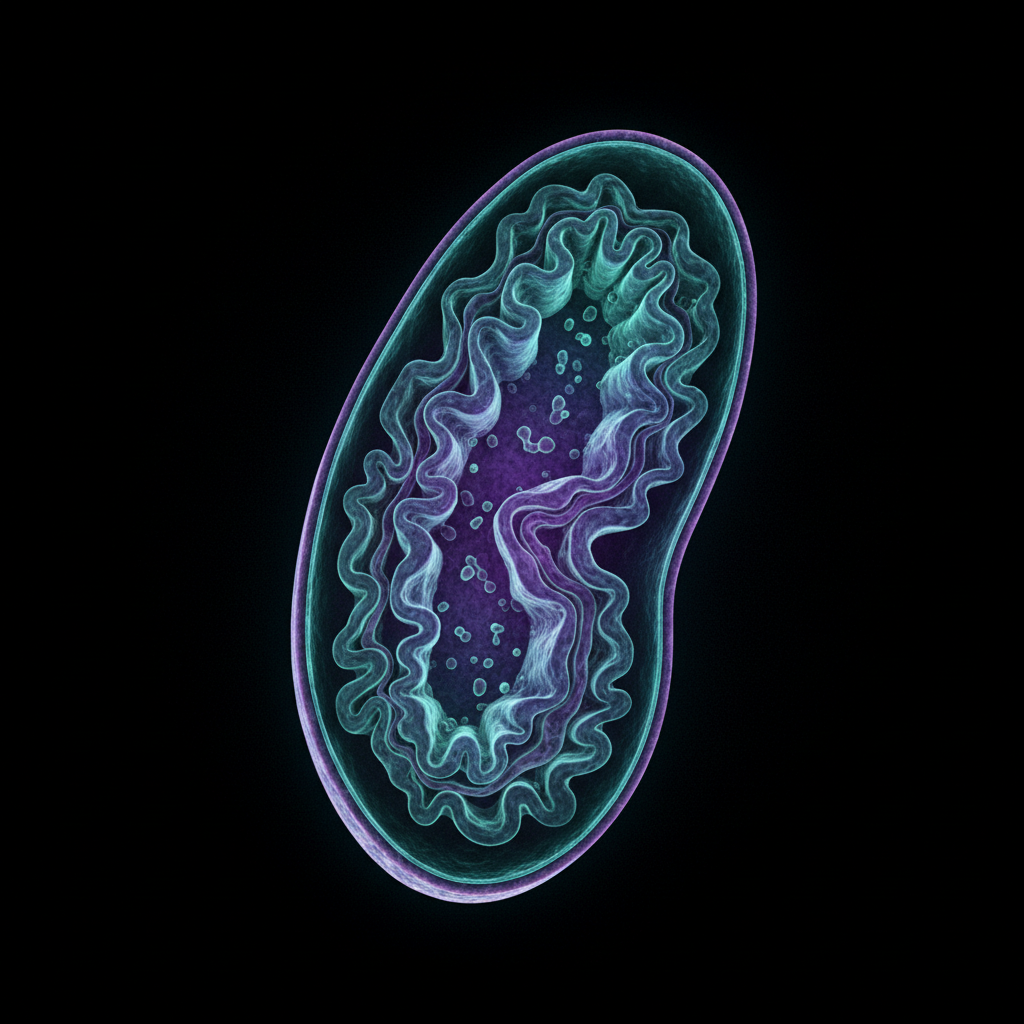
SS-31, also designated elamipretide and known in earlier research literature under the designations MTP-131 and Bendavia, is a synthetic aromatic-cationic tetrapeptide belonging to the Szeto-Schiller family of mitochondria-targeted peptide research compounds. The compound was first described in the published scientific literature by Hazel Szeto and Peter Schiller during investigations into cell-permeable peptides capable of selectively concentrating within the inner mitochondrial membrane, a research objective motivated by growing scientific interest in mitochondrial dysfunction as a subject of preclinical investigation across multiple disease biology research areas. The aromatic-cationic structural classification of SS-31 reflects its alternating aromatic and cationic amino acid residues, a structural arrangement that published research has proposed as the mechanistic basis for its selective affinity for cardiolipin, a phospholipid found almost exclusively in the inner mitochondrial membrane and recognized in the published literature as a central structural and functional component of the mitochondrial electron transport chain. The compound’s selective mitochondrial accumulation, reported in published cell biology research at concentrations exceeding 1,000-fold relative to cytoplasmic levels, has made it a frequently studied tool in preclinical investigations of mitochondrial biology across cardiovascular, renal, neurodegenerative, and skeletal muscle research domains. SS-31 is available for research purposes and is not intended for human or veterinary use.
Chemical and Structural Profile
SS-31 is a synthetic tetrapeptide with the amino acid sequence D-Arg-2’6′-dimethylTyr-Lys-Phe-NH2, where the N-terminal residue is a D-stereoisomer of arginine and the second position incorporates 2’6′-dimethyltyrosine (Dmt), a non-natural aromatic amino acid that contributes both to the compound’s aromatic character and to its resistance to proteolytic degradation under experimental conditions. The molecular formula of SS-31 is C32H49N9O5 and its molecular weight is approximately 639.8 daltons, classifying it among the smaller synthetic research peptides and distinguishing it structurally from the larger incretin analog class of peptide research compounds. The C-terminal amidation of the peptide sequence, represented by the NH2 designation, is a structural feature that published research has associated with enhanced metabolic stability relative to free C-terminal peptides in biological research environments.
The alternating aromatic-cationic structural motif of SS-31 is a defining feature of the Szeto-Schiller peptide series and has been examined in published structure-activity relationship research as a determinant of both mitochondrial targeting specificity and cardiolipin binding affinity. The cationic residues, contributed by the D-Arg at position one and the Lys at position three, provide the electrostatic driving force for mitochondrial accumulation in response to the large negative membrane potential of the inner mitochondrial membrane, while the aromatic residues at positions two and four contribute hydrophobic interactions that published research has proposed as critical for stable cardiolipin association. As a linear tetrapeptide without disulfide bonds or cyclic structural elements, the backbone of SS-31 presents a relatively simple structural architecture despite the non-natural amino acid substitutions that define its research profile. Published stability characterization research has reported that the lyophilized form of SS-31 maintains structural integrity under appropriate low-temperature storage conditions, with the D-amino acid at position one contributing to resistance against N-terminal exopeptidase activity in biological research systems.
Mechanism of Action
The mechanistic research on SS-31 is centered on its selective interaction with cardiolipin, a tetra-acyl phospholipid that constitutes approximately 20% of the inner mitochondrial membrane lipid composition and that published structural biology research has characterized as an essential scaffold for the organization and stability of electron transport chain (ETC) complexes. In vitro biophysical studies have examined the binding of SS-31 to cardiolipin-containing model membranes using nuclear magnetic resonance spectroscopy and surface plasmon resonance approaches, with published findings reporting specific electrostatic and hydrophobic interactions between the aromatic-cationic tetrapeptide and the cardiolipin headgroup that distinguish it from non-cardiolipin membrane phospholipids in experimental systems. Birk and colleagues published research in the Journal of the American Society of Nephrology (2013) reporting that SS-31 interaction with cardiolipin in isolated mitochondria was associated with changes in mitochondrial cristae architecture and ETC supercomplex organization, providing an organelle-level mechanistic framework for the bioenergetic observations reported in published cell biology and animal model research.
At the level of ETC function, published research has examined the relationship between SS-31-cardiolipin interaction and the activity of ETC complex I and complex III, with in vitro studies reporting changes in electron transfer efficiency and reactive oxygen species (ROS) generation in isolated mitochondrial preparations treated with SS-31. The published mechanistic literature has proposed that cardiolipin peroxidation, a process by which ROS-mediated oxidative modification of cardiolipin disrupts ETC supercomplex organization and promotes cytochrome c release from the inner mitochondrial membrane, represents a key upstream event that SS-31 interaction with cardiolipin has been examined in relation to in published cell biology research. Szeto and Schiller published foundational mechanistic characterization in Pharmaceutical Research (2011) describing the proposed cardiolipin peroxidase inhibitory activity of SS-31, framing the compound’s mechanism of action in terms of its capacity to associate with cardiolipin and attenuate oxidative modification of the mitochondrial membrane phospholipid in experimental systems.
Published animal model research has examined the downstream bioenergetic consequences of SS-31 treatment in preclinical systems, with rodent studies reporting measurements of mitochondrial membrane potential, adenosine triphosphate (ATP) synthesis rates, oxygen consumption parameters, and mitochondrial morphology as primary experimental endpoints. Zhao and colleagues published research in the Journal of Biological Chemistry (2004) examining cell-permeable peptide antioxidants, including SS-31, in cell culture models of mitochondrial oxidative stress and reported changes in mitochondrial swelling and cell viability parameters consistent with mitochondrial membrane stabilization in experimental systems. The downstream signaling consequences of ETC function modulation by SS-31 have been examined in published research using cardiac, renal, skeletal muscle, and neuronal cell culture models, with investigators reporting changes in mitochondrial fission and fusion dynamics, mitophagy pathway activity, and mitochondria-dependent apoptotic signaling as secondary experimental observations in these preclinical systems.
Key Research Areas
A substantial portion of the published preclinical literature on SS-31 has been generated in the context of cardiac biology research, with animal model studies examining the effects of mitochondria-targeted cardiolipin interaction on myocardial function parameters in experimental ischemia-reperfusion injury models. Szeto published research in the British Journal of Pharmacology (2014) providing a comprehensive review of the cardiolipin-protective pharmacology of SS-31 and its translational research context, with the cardiac ischemia-reperfusion injury research area identified as among the most extensively examined in the published preclinical record at that time. Rodent model studies have reported measurements of infarct size, left ventricular function parameters, mitochondrial morphology, and cellular viability markers in cardiac tissue following experimental ischemia-reperfusion under SS-31 treated and vehicle-treated conditions, with published findings examined in the context of the proposed cardiolipin-protective mechanism. Published research has also examined SS-31 in models of heart failure with preserved ejection fraction, with animal model studies investigating the relationship between mitochondrial dysfunction, cardiac energetics, and diastolic function parameters in aged or metabolically stressed experimental animals treated with the compound.
Published preclinical research has examined SS-31 extensively in renal biology research contexts, with animal model studies investigating the effects of mitochondria-targeted cardiolipin interaction on kidney function parameters in experimental acute kidney injury and ischemia-reperfusion models. Birk and colleagues published research in the Journal of the American Society of Nephrology (2013) examining SS-31 in a rat model of renal ischemia-reperfusion injury, reporting on mitochondrial ultrastructure, ETC supercomplex organization, and renal function markers in treated and control animals, with findings framed in the context of the cardiolipin-targeted mechanism of action characterized in that study. Published research has also examined SS-31 in rodent models of chronic kidney disease progression, with investigators reporting on mitochondrial morphology parameters, oxidative stress markers, tubular cell viability measurements, and glomerular function indicators as experimental endpoints in these preclinical systems. The renal research literature for SS-31 represents one of the more extensively documented preclinical research areas for the compound, with independent replication across multiple research groups contributing to the available evidence base.
Published preclinical research has examined SS-31 in the context of skeletal muscle biology, with animal model studies investigating the relationship between mitochondrial function, muscle fiber composition, and functional performance parameters in aged or sarcopenic rodent models treated with the compound. Campbell and colleagues published research in Free Radical Biology and Medicine (2018) examining SS-31 in aged mouse models, reporting on mitochondrial redox state parameters, mitochondrial respiration measurements, and exercise tolerance indicators in treated animals relative to vehicle controls, framing findings within the context of age-associated changes in skeletal muscle mitochondrial biology. Published research has examined mitochondrial morphology, ETC complex activity, and markers of mitochondrial biogenesis in skeletal muscle tissue from SS-31 treated animals, alongside functional measurements of muscle contractile properties and fatigue resistance in preclinical experimental systems. The skeletal muscle research area for SS-31 has been of interest given the established role of mitochondrial dysfunction in age-related muscle biology and the availability of well-characterized rodent aging models for preclinical investigation.
Published animal model and cell culture research has examined SS-31 in the context of neurodegenerative disease biology research, with preclinical studies investigating the compound in experimental systems relevant to Alzheimer’s disease, Parkinson’s disease, and traumatic brain injury research areas. Reddy and colleagues published research in Human Molecular Genetics (2017) examining SS-31 in the context of Alzheimer’s disease research, reporting on mitochondrial function parameters, amyloid beta interaction with mitochondrial proteins, and neuronal cell viability measurements in cell culture and transgenic mouse model systems treated with the compound. Published rodent model studies have examined SS-31 in models of traumatic brain injury, with investigators reporting on mitochondrial ultrastructure, oxidative stress markers, neuronal survival parameters, and behavioral outcome measures in preclinical experimental systems as primary research endpoints. The neurodegenerative disease research area for SS-31 reflects the broader scientific interest in mitochondrial dysfunction as a subject of preclinical investigation across neurological disease biology, with the compound used as a research tool to examine the relationship between mitochondrial membrane integrity and neuronal function in experimental systems.
Published translational and clinical research has examined SS-31 in the context of primary mitochondrial disease biology, reflecting the compound’s development history as a candidate research tool for mitochondrial disorders characterized by ETC dysfunction and impaired ATP synthesis. Karaa and colleagues published research in the Journal of Cachexia, Sarcopenia and Muscle (2020) reporting on a randomized crossover study examining SS-31 in adults with primary mitochondrial myopathy, with investigators measuring six-minute walk distance, fatigue parameters, and muscle function indicators as primary endpoints in this clinical research context, representing a translational extension of the preclinical mitochondrial biology research literature. The rare mitochondrial disease research area has been informed by the established preclinical mechanistic literature characterizing SS-31 interaction with cardiolipin and ETC complex function, with the translational research providing a bridge between the cell biology and animal model findings and human research subject contexts. The recent regulatory designation of elamipretide for Barth syndrome, a rare inherited cardiomyopathy characterized by cardiolipin metabolism abnormalities, represents a specific clinical research context that has been informed by the foundational cardiolipin interaction and cardiac biology research literature for SS-31 and provides an important translational anchor for interpreting the broader preclinical research findings.
Research Considerations for Laboratory Use
Research-grade SS-31 is supplied as a lyophilized powder and requires careful storage and handling to maintain compound integrity for experimental applications. Long-term storage at -20 degrees Celsius or below is recommended, with protection from light exposure and moisture critical to preventing degradation of the non-natural amino acid residues and the C-terminal amide that contribute to the compound’s research-relevant structural properties. The lyophilized form provides superior long-term stability relative to reconstituted solutions, and published stability characterization data support maintaining SS-31 in lyophilized form until immediately prior to experimental use where research protocols permit this approach.
For laboratory reconstitution, sterile water or a dilute aqueous buffer at a physiologically relevant pH range is the standard solvent approach described in published research using SS-31, with the specific reconstitution conditions and working concentrations determined entirely by the experimental protocol requirements and applicable institutional research guidelines. Researchers should prepare reconstituted aliquots sized for single experimental use where feasible to minimize freeze-thaw cycling, which can promote aggregation and compromise compound integrity in reconstituted peptide solutions. Reconstituted solutions should be stored at four degrees Celsius for short-term experimental use, with any surplus maintained as frozen aliquots at -20 degrees Celsius to preserve structural integrity between experimental sessions.
Purity specification is a critical procurement consideration for SS-31 research given the non-natural amino acid substitutions in its sequence and the potential for synthesis-related impurities including diastereomers, sequence truncations, and oxidation products at the dimethyltyrosine residue that can confound receptor binding and mitochondrial targeting assays. Research-grade SS-31 should be accompanied by a lot-specific certificate of analysis (COA) from an independent third-party testing laboratory, with purity verified by high-performance liquid chromatography (HPLC) to a specification of 99% or greater. Mass spectrometry confirmation is essential to verify the complete tetrapeptide sequence, the D-stereoisomer configuration at position one, and the dimethyltyrosine substitution at position two, as these structural features are critical to the compound’s mitochondrial targeting properties and cannot be verified by HPLC purity measurement alone. Independent third-party testing rather than in-house supplier testing is the appropriate documentation standard for research applications requiring reproducible and verifiable compound characterization.
Published Literature and References
The published literature on SS-31 is extensive relative to many synthetic research peptides, reflecting the compound’s over two decades of preclinical investigation across cardiovascular, renal, skeletal muscle, neurological, and mitochondrial disease biology research domains. The cardiac ischemia-reperfusion injury and renal biology research areas are the most extensively documented in the preclinical literature, with independent replication across multiple research groups providing a relatively robust evidence base for mechanistic interpretation. The skeletal muscle aging research area and the neurodegenerative disease model research represent growing portions of the literature, with published findings beginning to characterize the research profile of mitochondria-targeted cardiolipin interaction across these biological systems. The majority of mechanistic research has been conducted in cell culture systems and rodent animal models, with translational clinical research providing additional context for interpreting preclinical observations in the mitochondrial disease biology research area. This article is a research overview compiled from published scientific sources and does not constitute medical advice. All referenced studies were conducted in preclinical or clinical research settings and further research is ongoing.
References:
Szeto HH, Schiller PW, 2011. Novel therapies targeting inner mitochondrial membrane: from discovery to clinical development. Pharmaceutical Research. PMID: 21710322
Zhao K, Zhao GM, Wu D, Soong Y, Birk AV, Schiller PW, Szeto HH, 2004. Cell-permeable peptide antioxidants targeted to inner mitochondrial membrane inhibit mitochondrial swelling, oxidative cell death, and reperfusion injury. Journal of Biological Chemistry. PMID: 15178689
Birk AV, Liu S, Soong Y, Mills W, Singh P, Warren JD, Seshan SV, Pardee JD, Szeto HH, 2013. The mitochondrial-targeted compound SS-31 re-energizes ischemic mitochondria by interacting with cardiolipin. Journal of the American Society of Nephrology. PMID: 23813215
Szeto HH, 2014. First-in-class cardiolipin-protective compound as a therapeutic agent to restore mitochondrial bioenergetics. British Journal of Pharmacology. PMID: 24117026
Campbell MD, Duan J, Traber GM, Bhattacharya S, Kim Y, Bhardwaj G, Matsunaga K, Bhattacharya T, Phan R, Bhattacharya A, 2018. Improving mitochondrial function with SS-31 reverses age-related redox stress and improves exercise tolerance in aged mice. Free Radical Biology and Medicine. PMID: 29371120
Reddy PH, Manczak M, Kandimalla R, 2017. Mitochondria-targeted small molecule SS31: a potential candidate for the treatment of Alzheimer’s disease. Human Molecular Genetics. PMID: 28453787
Karaa A, Haas R, Goldstein A, Vockley J, Weaver WD, Cohen BH, 2020. Randomized dose-escalation trial of elamipretide in adults with primary mitochondrial myopathy. Journal of Cachexia, Sarcopenia and Muscle. PMID: 30908000
Wu J, Hao S, Sun XR, Zhang H, Li H, Zhao H, Ji MH, Yang JJ, Ma ZW, 2017. Elamipretide ameliorates isoflurane-induced long-term impairments of mitochondrial morphogenesis and cognition in developing rats. Frontiers in Cellular Neuroscience. PMID: 28507510
This article is intended for informational and research reference purposes only. SS-31 (elamipretide) is sold strictly for laboratory and research use. It is not intended for human or veterinary consumption, and this content does not constitute medical advice, treatment recommendations, or clinical guidance. All research applications referenced in this article are based on preclinical literature. Researchers should consult applicable regulations and institutional guidelines before use.
Subscribe now to keep reading and get access to the full archive.