
Perlancia Peptides
Perlancia Peptides restricts purchases to individuals conducting laboratory or institutional research and at least 21 years old. By entering, you confirm you meet this requirement.
All products offered on this website are sold strictly as research chemicals for in-vitro laboratory research use only. They are not drugs, foods, cosmetics, dietary supplements or medical devices, and they are not intended for human or veterinary consumption, diagnostic use, or therapeutic use of any kind.
Selecting “No” will take you away from this website. This confirmation will be remembered on this device for 30 days.

$96.00
628 in stock



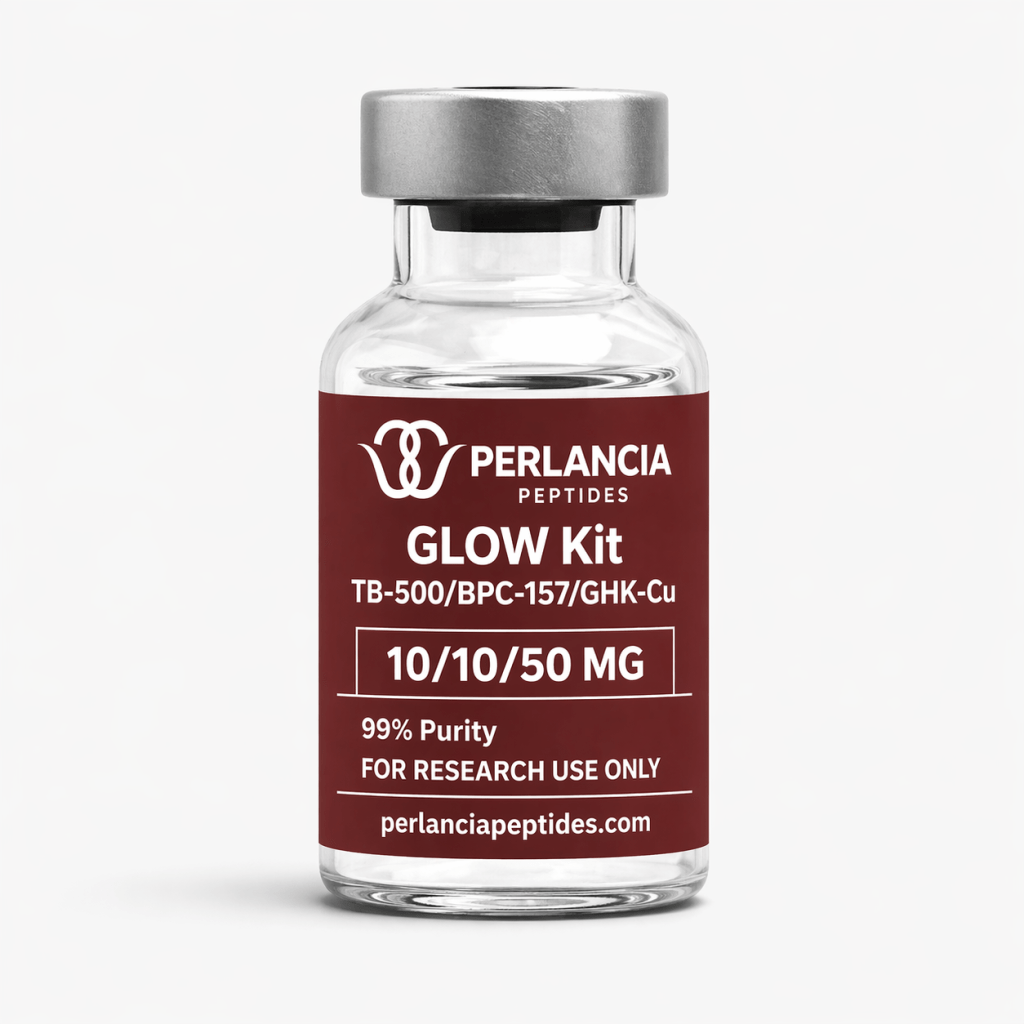
TB-500 is a synthetic peptide fragment derived from Thymosin Beta-4 (Tβ4), a naturally occurring peptide found in many tissues and cell types. In laboratory settings, this peptide has been studied for its involvement in cellular signaling processes related to cytoskeletal organization and cellular migration.
Scientific research has explored the broader thymosin family of peptides in relation to actin regulation pathways, which play an important role in cell structure and intracellular movement. TB-500 represents a research analogue used in experimental models examining these biological mechanisms.
Within laboratory investigations, TB-500 has been examined in studies focused on cellular communication, cytoskeletal dynamics, and signaling pathways associated with tissue regulation and cellular response processes.
TB-500 has been examined in various experimental research contexts, including:
These areas represent laboratory investigations exploring the biological activity of thymosin-derived peptides.
Research has investigated the interaction of thymosin-derived peptides with actin binding pathways, which are essential to cellular structure and movement. Thymosin Beta-4 has been identified as an actin-sequestering peptide, meaning it interacts with actin monomers involved in cytoskeletal assembly.
Studies have explored the relationship between thymosin peptides and:
These interactions are of interest to researchers studying cellular mobility, structural regulation, and peptide signaling networks within biological systems.
Thymosin Beta-4 was first identified as part of the thymosin peptide family, a group of peptides associated with intracellular regulation and actin binding activity. Early research identified its presence in a wide range of mammalian tissues.
Subsequent laboratory studies have explored the peptide’s role in:
TB-500 is a synthetic research analogue used in laboratory investigations designed to better understand the biological activity of thymosin peptides and their involvement in cellular signaling networks.
For laboratory stability purposes:
Storage practices should follow standard laboratory procedures for peptide stability and preservation.
FOR RESEARCH USE ONLY.
This product is intended strictly for laboratory research purposes. It is not intended for human or veterinary use.
Thymosin Beta-4 (Tβ4) is a naturally occurring peptide composed of 43 amino acids and belongs to the broader thymosin peptide family, which is involved in intracellular regulatory processes.
Originally identified in thymus tissue extracts, thymosin peptides have since been detected in numerous cell types across mammalian tissues. Research into this peptide family has focused on their interaction with actin filaments, which are essential structural components of the cellular cytoskeleton.
TB-500 represents a synthetic research fragment derived from Thymosin Beta-4 that has been used in laboratory experiments to study actin binding interactions and related signaling pathways.
Research has explored thymosin peptides for their ability to interact with actin monomers, a key component of cytoskeletal structure. These interactions are studied in relation to cellular structure and intracellular movement.
Laboratory studies have investigated thymosin peptides in models examining cellular migration and structural reorganization, processes important for tissue formation and cellular communication.
Research has examined thymosin peptides within angiogenesis related signaling pathways, which involve the formation and regulation of vascular structures within biological systems.
Studies have explored the role of thymosin peptides in cellular communication pathways, including processes related to differentiation, structural organization, and tissue signaling networks.
Research has examined the interaction of thymosin peptides with actin binding proteins and cytoskeletal signaling pathways. These pathways play a role in regulating cellular architecture and intracellular movement.
In experimental models, thymosin peptides have been studied in relation to:
These interactions remain an active area of laboratory research investigating how peptides influence cellular structural dynamics.
Scientific literature examining thymosin peptides spans several decades and includes research across cellular biology, molecular biology, and peptide signaling fields.
Key areas explored in published research include:
Laboratory research continues to investigate how thymosin peptides interact with broader cellular signaling networks.
Scientific literature related to thymosin peptides and TB-500 can be found through the following research sources:
Researchers may consult these sources for additional information regarding experimental studies involving thymosin Beta-4 and related peptide fragments.
There are no reviews yet.
Only logged in customers who have purchased this product may leave a review.
TB-500 is a synthetic peptide fragment derived from Thymosin Beta-4 (Tβ4), a naturally occurring peptide found in many tissues and cell types. In laboratory settings, this peptide has been studied for its involvement in cellular signaling processes related to cytoskeletal organization and cellular migration.
Scientific research has explored the broader thymosin family of peptides in relation to actin regulation pathways, which play an important role in cell structure and intracellular movement. TB-500 represents a research analogue used in experimental models examining these biological mechanisms.
Within laboratory investigations, TB-500 has been examined in studies focused on cellular communication, cytoskeletal dynamics, and signaling pathways associated with tissue regulation and cellular response processes.
TB-500 has been examined in various experimental research contexts, including:
These areas represent laboratory investigations exploring the biological activity of thymosin-derived peptides.
Research has investigated the interaction of thymosin-derived peptides with actin binding pathways, which are essential to cellular structure and movement. Thymosin Beta-4 has been identified as an actin-sequestering peptide, meaning it interacts with actin monomers involved in cytoskeletal assembly.
Studies have explored the relationship between thymosin peptides and:
These interactions are of interest to researchers studying cellular mobility, structural regulation, and peptide signaling networks within biological systems.
Thymosin Beta-4 was first identified as part of the thymosin peptide family, a group of peptides associated with intracellular regulation and actin binding activity. Early research identified its presence in a wide range of mammalian tissues.
Subsequent laboratory studies have explored the peptide’s role in:
TB-500 is a synthetic research analogue used in laboratory investigations designed to better understand the biological activity of thymosin peptides and their involvement in cellular signaling networks.
For laboratory stability purposes:
Storage practices should follow standard laboratory procedures for peptide stability and preservation.
FOR RESEARCH USE ONLY.
This product is intended strictly for laboratory research purposes. It is not intended for human or veterinary use.
Thymosin Beta-4 (Tβ4) is a naturally occurring peptide composed of 43 amino acids and belongs to the broader thymosin peptide family, which is involved in intracellular regulatory processes.
Originally identified in thymus tissue extracts, thymosin peptides have since been detected in numerous cell types across mammalian tissues. Research into this peptide family has focused on their interaction with actin filaments, which are essential structural components of the cellular cytoskeleton.
TB-500 represents a synthetic research fragment derived from Thymosin Beta-4 that has been used in laboratory experiments to study actin binding interactions and related signaling pathways.
Research has explored thymosin peptides for their ability to interact with actin monomers, a key component of cytoskeletal structure. These interactions are studied in relation to cellular structure and intracellular movement.
Laboratory studies have investigated thymosin peptides in models examining cellular migration and structural reorganization, processes important for tissue formation and cellular communication.
Research has examined thymosin peptides within angiogenesis related signaling pathways, which involve the formation and regulation of vascular structures within biological systems.
Studies have explored the role of thymosin peptides in cellular communication pathways, including processes related to differentiation, structural organization, and tissue signaling networks.
Research has examined the interaction of thymosin peptides with actin binding proteins and cytoskeletal signaling pathways. These pathways play a role in regulating cellular architecture and intracellular movement.
In experimental models, thymosin peptides have been studied in relation to:
These interactions remain an active area of laboratory research investigating how peptides influence cellular structural dynamics.
Scientific literature examining thymosin peptides spans several decades and includes research across cellular biology, molecular biology, and peptide signaling fields.
Key areas explored in published research include:
Laboratory research continues to investigate how thymosin peptides interact with broader cellular signaling networks.
Scientific literature related to thymosin peptides and TB-500 can be found through the following research sources:
Researchers may consult these sources for additional information regarding experimental studies involving thymosin Beta-4 and related peptide fragments.



Reviews
There are no reviews yet.
Only logged in customers who have purchased this product may leave a review.